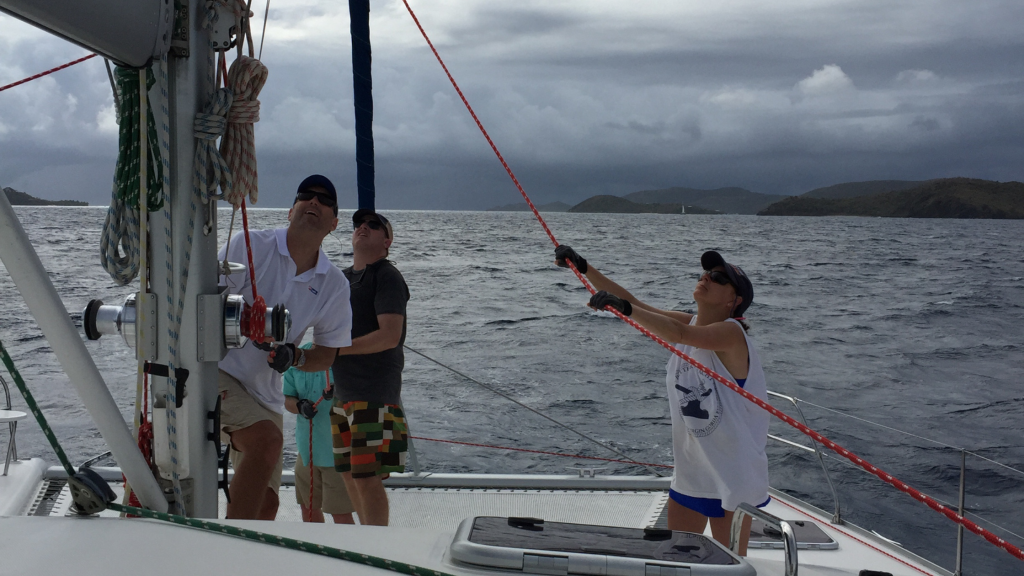
Imagine standing at the edge of your comfort zone, heart racing, and palms sweating. This is the moment where true leadership begins. In the realm of conscious leadership, four pillars guide our journey toward becoming more effective and impactful leaders: Connection, Ritual, Adventure, and Wisdom.
Today, we’ll dive deep into the third pillar: Adventure. But this isn’t just about thrill-seeking or taking risks for the sake of it. It’s about embracing challenges that lead us to a profound state of well-being and fulfillment known as eudaimonia.
I’ll admit the concept of eudaimonia is relatively new to me. I encountered this powerful word recently, and it immediately resonated with my understanding of leadership and personal growth. The term has since become a source of inspiration and insight in my work. In fact, just recently, I was in a Zoom session with Jake Haupert, CoFounder of The Transformational Travel Council, who used the concept as he prepared our small group for an upcoming adventure. It was a moment of validation – a reminder of how this ancient Greek idea can be used to shape modern thinking about fulfillment and purpose.
Are you ready to explore how this concept can transform your approach to leadership and life? Let’s embark on this journey together, unraveling the connection between adventure, leadership, and the pursuit of true fulfillment.
Understanding Eudaimonia
Eudaimonia is a Greek word that literally translates to the state or condition of “good spirit.” Often interpreted as “happiness” or “welfare,” it goes far beyond these simple translations. Eudaimonia represents a state of human flourishing, of living in accordance with one’s true self and realizing one’s full potential.
Unlike fleeting moments of pleasure or temporary happiness, eudaimonia is a deep-seated sense of fulfillment that comes from living a life of virtue, meaning, and purpose. It’s about the journey, not just the destination.
The Connection Between Adventure and Eudaimonia
As conscious leaders, we understand that true growth often lies outside our comfort zones. This is where adventure comes into play. By deliberately seeking out challenges and embracing discomfort, we open ourselves up to profound personal and professional development.
Consider the words of endurance athlete Ross Edgley, who once said on the Rich Roll Podcast that if someone gave you a million dollars, you’d be happy, but that happiness would fade quickly. However, if you swam across the English Channel (which Edgley did), you wouldn’t just feel happiness when you finished – you’d experience something deeper.
This deeper feeling is Eudaimonia. It’s the result of the hard work, the journey, the sacrifices, and all the challenges you overcome along the way. It’s a happiness that doesn’t fade because it’s rooted in personal growth and self-actualization.
Leaning into Discomfort
As leaders, we often face the temptation to avoid discomfort and uncertainty. However, the path to Eudaimonia and true leadership growth lies in leaning into these challenges. When we resist or avoid difficult situations, we limit our potential for growth and ultimately lead ourselves towards dissatisfaction.
On the other hand, when we embrace discomfort as part of our journey and actively seek out challenges, we become happier and more fulfilled. This is because we’re not just achieving goals; we’re constantly evolving and becoming better versions of ourselves.
Building Risk Tolerance Through Adventure
One of the key benefits of embracing adventure in leadership is the development of a higher risk tolerance. As we push ourselves out of our comfort zones and tackle new challenges, we become more comfortable with uncertainty and better equipped to make bold decisions.
This increased risk tolerance doesn’t mean being reckless. Rather, it means having the confidence to take calculated risks, innovate, and lead your team into uncharted territories when necessary.
We live in a world of uncertainty, so as a modern leader, you need to be able to navigate what that means for your team and organization as a whole. The solution is to change your relationship with uncertainty and we do that by leaning into things that challenge our own growth.
The Role of Adventure in Conscious Leadership
For conscious leaders, adventure isn’t about climbing mountains or crossing oceans (although it could be!). It’s about consistently challenging ourselves to grow, to learn, and to push beyond our perceived limitations. It might involve:
- Taking on a project outside your area of expertise
- Having difficult but necessary conversations
- Implementing innovative strategies in your organization
- Embracing failure as a learning opportunity
- Continuously seeking new knowledge and skills
By approaching leadership with a spirit of adventure, we grow as individuals and inspire and empower those around us to do the same.
Conclusion: Your Call to Adventure
As conscious leaders, our goal is not to avoid hardship or seek easy paths. Instead, we must embrace the adventure of leadership, understanding that the challenges we face are opportunities for growth and fulfillment.
Remember, Eudaimonia isn’t found in fleeting moments of success or temporary achievements. It’s cultivated through the consistent practice of pushing ourselves, learning from our experiences, and striving to be the best versions of ourselves.
So, here’s your call to adventure: Identify one area in your leadership where you’ve been playing it safe.
- This week, challenge yourself to step out of your comfort zone in that area.
- Whether it’s having that difficult conversation you’ve been avoiding,
- proposing that innovative idea you’ve been sitting on,
- or taking on a project that scares you a little – embrace the discomfort.
- Document your experience and reflect on how it contributes to your growth as a leader.
By embracing adventure in our leadership journey, seeking out the hard work, the discomfort, and the challenges, we not only become better leaders but also find true fulfillment and happiness. This is the path to Eudaimonia – the good life of a conscious leader.