What’s your relationship with hanging out in cold water? Mine was once, well… COLD. I had read the data and tried cold showers, but couldn’t imagine voluntarily embracing discomfort. We live in a modern world that tells us we should never be uncomfortable, right? That pain and discomfort are always problems to be solved rather than teachers to be heeded.
Then, during a breathwork course with an ice bath, everything changed. The experience taught me a profound lesson: we must surrender. When we resist discomfort, we create suffering. The formula is simple: Pain × Resistance = Suffering.
Now, as I complete my certification as a breathwork coach to support our CLQ Community, I faced a challenge in the Nordic Flow program: learning to teach hormetic breathing—harnessing positive stress through breath in cold water.
Initially, I considered skipping this protocol entirely. But I realized that to become our best selves (creating leadership ripples around us), we must enter the cave we fear most. It’s the essence of the Hero’s Journey.
So I took the plunge. I invested in a Nordic Wave system and now immerse myself for 2 minutes, four days a week, and 3 minutes one day a week. It’s become the best worst thing I do—simultaneously addictive and dreaded. Cold water has become my teacher, showing me how to stop resisting what I cannot change.
This journey revealed a counterintuitive truth: in our quest for comfort, we’ve removed beneficial stress from our lives. Yet anxiety, burnout, and chronic stress continue rising. Could our stress partly stem from life being too easy? Understanding how conscious leaders thrive under pressure helps us answer this question.
Rediscovering Eustress: The Good Stress We Need
Not all stress damages us. Eustress (pronounced “you-stress”) enhances resilience and performance. Unlike distress, eustress represents the positive response to stress that creates fulfillment.
Listening to Jeff Krasno on the Rich Roll podcast reinforced this: intentional, controlled exposure to specific stressors significantly enhances our ability to handle life’s inevitable challenges.
The Science of Hormetic Stressors
Hormesis is the biological phenomenon where low doses of stressors that would harm us at higher doses actually benefit us—like strength training for your entire system:
- Physical hormetic stressors: Cold plunging, heat exposure, intermittent fasting
- Mental hormetic stressors: Learning complex skills, problem-solving
- Emotional hormetic stressors: Difficult conversations, boundary setting, public speaking
These controlled stressors trigger adaptive responses that enhance our resilience.
Breathwork: The Accessible Stress Trainer
Breathwork provides one of the most accessible tools for beneficial stress training. Methods like Tummo (Wim Hof) breathing intentionally disrupt normal patterns, creating temporary stress that trains our nervous system to recover efficiently.
Stress Indicates We “Give a Damn”
My friend and colleague, the late Dr. Danny Friedland, would say “stress appears when we give a damn.” This insight completely reframes our relationship with stress.
When we care deeply about our work, teams, or mission—stress naturally emerges. It’s not something to eliminate but to channel productively.
Conscious leaders don’t avoid stress; they develop a healthier relationship with it.
From Adventure to Leadership Wisdom
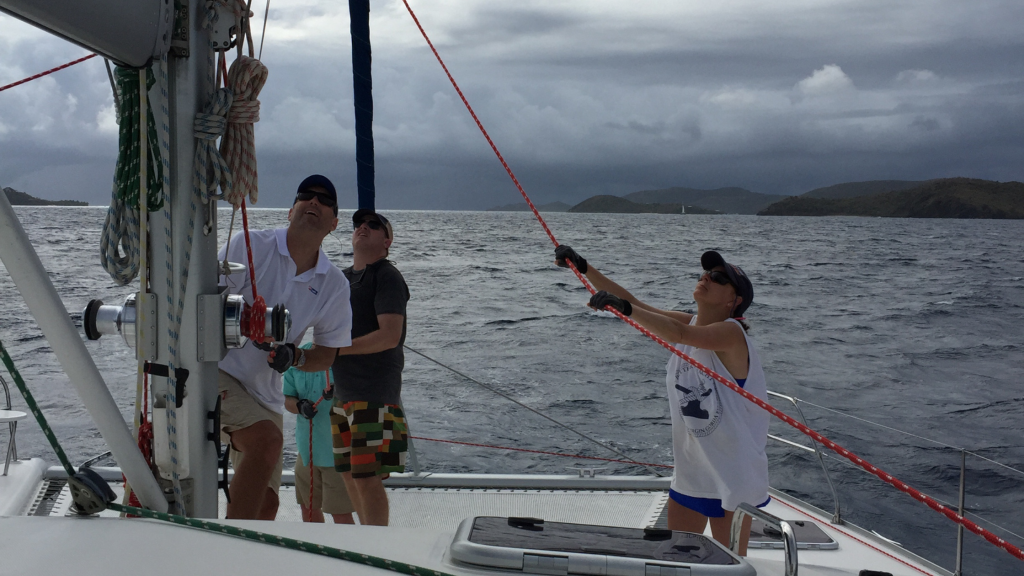
At Conscious Leaders Quest, our “Adventure” pillar connects directly to this concept. Leadership isn’t comfortable—it requires stretching beyond normal capacities, making difficult decisions with incomplete information, and standing firm in uncertainty.
By practicing controlled stress, leaders develop:
- Emotional regulation: Maintaining clarity under pressure
- Cognitive flexibility: Adapting quickly to changing circumstances
- Recovery capacity: Bouncing back faster after challenges
- Stress differentiation: Distinguishing between productive and unproductive stress
The Conscious Approach to Stress
The difference between depleting and developing stress lies in our relationship with it. Conscious leaders approach stress with:
- Intentionality: Choosing challenges that serve growth
- Awareness: Noticing responses without judgment
- Integration: Processing lessons from stressful experiences
- Recovery: Building in adequate restoration time
Creating Your Eustress Practice
Start incorporating beneficial stress into your leadership development:
- Morning cold shower: Even 30 seconds can trigger beneficial responses
- Breathwork: Practice a simple technique for 5 minutes daily
- Comfort zone challenges: Embrace one small, growth-oriented discomfort weekly
- Reframe existing stressors: Ask how current challenges might serve your development
The Leadership Journey of a Lifetime
The journey to conscious leadership requires redefining our relationship with stress. When we recognize that growth happens at the edge of comfort—and that temporary discomfort builds lasting resilience—we unlock new leadership capacities.
Perhaps the greatest paradox of conscious leadership is this: by embracing certain forms of stress, we ultimately create a deeper, more sustainable state of peace within ourselves and our organizations. This is precisely how conscious leaders thrive under pressure.
The next time you feel the discomfort of growth-oriented stress, remember—this isn’t something to avoid, but the very force shaping you into the leader you’re capable of becoming.
Are you ready to transform your relationship with stress and discover the leader within? Learn more about our upcoming Leadership Adventures & Community.